
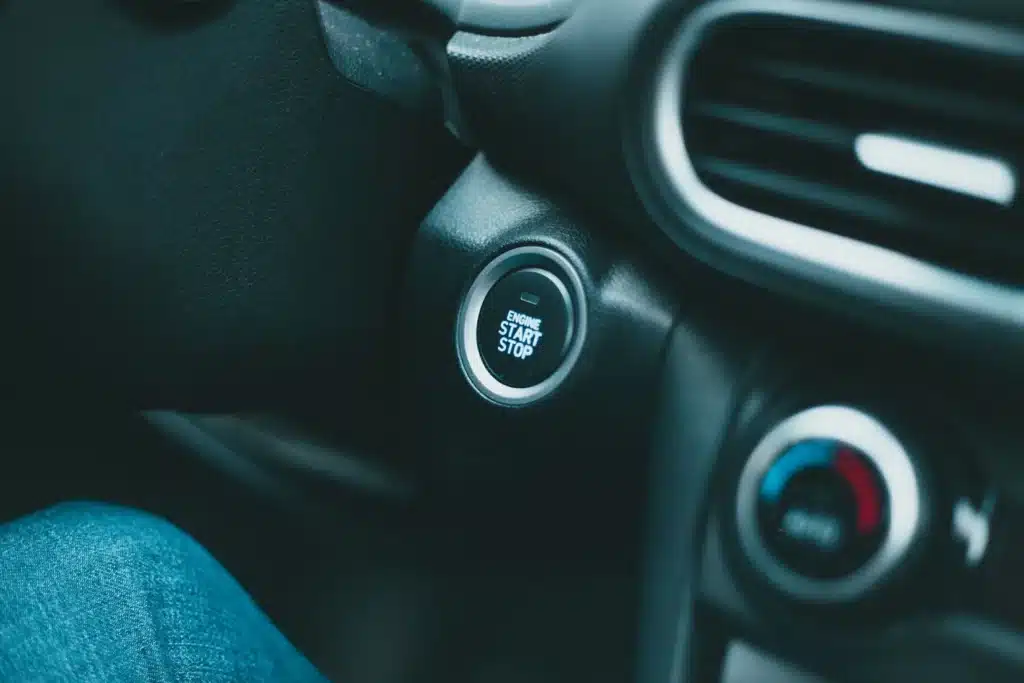
Cars are all about convenience, and whether you’re running late for work or heading out to run some errands, finding out that your car suddenly takes a long time to start is never ideal. Problems with slow starting are incredibly common and have a wide variety of potential causes, but no matter what the issue is, it always feels just as inconvenient.
It’s normal for cars to start slow every once in a while, especially when the weather gets cold. However, if it becomes a pattern, it could mean that something is affecting one of the systems your engine relies on during startup.
At Welsh Automotive, we understand just how frustrating a slow-starting car can be. But the first step to fixing a problem is figuring out what is causing it in the first place. So, if you’re wondering why your car takes a long time to start, our expert guide is here to help.
1. Could a Weak Battery Make Your Car Take Longer to Start?
Your battery provides the electrical power needed to crank the engine when you turn the key or press the start button. However, as your battery ages, it loses its ability to hold a strong charge, making it take a lot longer for your car to start than normal.
If it’s your battery that’s causing the problem, there will be other signs that show up as well. Slow cranking, clicking sounds, dashboard warnings, and dimming lights during startup all point to a battery that is no longer up to the task.
If engine start trouble occurs alongside these other electrical symptoms, our guide to signs you may need automotive electrical repair covers several other problems you can watch for.
2. Can Starter Problems Cause Extended Cranking?
The starter motor takes power from the battery to turn your engine over so that combustion can begin. This means that if it’s not the battery, it could be a worn starter or a problem with its electrical connections that’s making your car start slower than normal.
Many of the symptoms of a worn starter are quite similar to those of a worn battery. Hearing clicking when trying to start the car, noticing slower cranking, or experiencing occasions when the engine doesn’t crank at all are all common signs of starter motor issues.
If you find that your car takes a long time to start, it can be tempting to immediately blame the battery. But all it takes is a quick visual inspection or diagnostic test from our professionals at Welsh Automotive to figure out the root cause of the problem.
3. Could Fuel System Problems Be Delaying Startup?
Your engine also needs the right amount of fuel to be delivered at the proper pressure before it can start and run normally. If fuel pressure takes longer than expected to build, this can cause your engine to continue cranking for longer than it should.
The problem is that fuel systems are made up of several important parts, many of which could cause slow startup if they’re too old or worn. Though weakened fuel pumps, restricted fuel filters, and faulty injectors tend to be some of the most common culprits here, that’s just the tip of the iceberg, and there’s plenty more that could be causing fuel delivery problems.
Our professionals at Welsh Automotive can run a quick diagnostic test to figure out what is actually causing the problem. This testing, paired with our comprehensive range of automotive repair and maintenance services, guarantees that no matter what the problem is, we’ll have your car back to you and in peak condition in no time.
4. Can Worn Spark Plugs or Ignition Problems Affect Starting?
Gasoline engines need a properly timed spark to ignite the air-fuel mixture inside each cylinder in order to start up and keep the engine running. Even a fraction of a second of difference can get in the way of your engine starting properly, and having a worn spark plug is all it takes to make that difference.
Problems involving spark plugs, ignition coils, wiring, or related components can all contribute to extended cranking. However, if a spark plug is to blame, it will most likely come along with other symptoms like rough idling, noticeable misfires, reduced engine performance, and changes in fuel economy as well.
5. Could a Faulty Sensor Be Making Your Car Hard to Start?
Modern vehicles use a ton of different sensors to continuously provide information to the engine control module. This computer relies on all of that sensor information to manage everything from fuel delivery and ignition timing to many of the other essential functions involved in starting and continuously running your vehicle.
Whether it’s a faulty crankshaft position sensor, camshaft position sensor, engine temperature sensor, or any other essential sensor that’s malfunctioning, any of these issues can lead to a car that takes a long time to start. But the exact symptoms you experience will largely depend on which specific sensor is malfunctioning.
Get Help With Your Car Troubles At Welsh Automotive
Are you dealing with a car that takes a long time to start? Give us a call.
Our team of ASE-certified technicians is always here to answer questions and will happily help you get to the bottom of your vehicle’s ignition issues. We’ll also help you schedule a service appointment at a time that’s convenient for you. We even offer free loaner cars so you never have to worry about getting around while your car is in the shop.
Contact Welsh Automotive and schedule your next service appointment at either of our convenient Exton or West Chester locations today.