
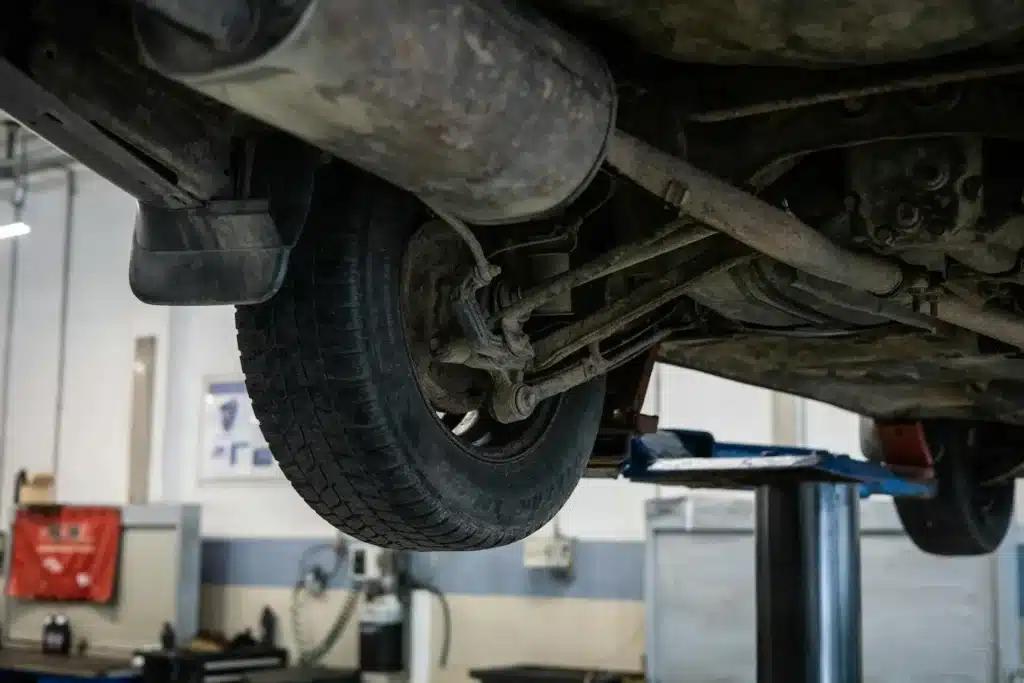
Rust is a car’s worst enemy, affecting both a vehicle’s appearance and longevity over time. At Welsh Automotive, we understand just how frustrating finding rust on your vehicle can be, but with our help, rust doesn’t have to be the end of the world. We know how to repair auto body rust spots the right way, and we’re always here to help make your car look like new again.
That being said, we also understand that there are plenty of drivers out there who want to understand more about how we repair auto body rust holes before they hand their car over. So, if you’re starting to see rust spots on your car, or you simply want to know a bit more about our professional rust removal process, our guide is here to help.
What Causes Rust Spots on a Vehicle?
How Moisture and Road Salt Affect Metal
Rust can begin to develop any time that the exposed metal on your car is able to react with oxygen and moisture. Rain, snow, humidity, and road salt all increase the likelihood of corrosion, with winter driving conditions being particularly hard on the metal surfaces of your car.
Common Areas Where Rust Begins
Rust tends to appear in the parts of your car where exposure to water and road debris is most consistent. Wheel wells, rocker panels, fenders, door edges, and undercarriages are usually the most likely candidates here as they’re usually the places where moisture can most easily reach and collect, slowly wearing down protective coatings in the process.
Why Fast Repairs Matter
Surface rust often appears minor at first, but corrosion is rarely something that stops after it starts. Once the rust first appears, it can and will continue to spread to other areas with exposed metal and even underneath paint.
This leads to small rust spots growing into much larger ones, eventually having the potential to weaken body panels and create larger repair needs. When it comes to rust, having a professional rust repair team address the problem early is always the right move if you want to make sure that the damage stops before it reaches deeper layers of metal.
How Do We Inspect Rust Damage Before Repairs?
Identifying Surface Rust vs. Structural Rust
The first step in the repair process is always about evaluating the severity of the damage. Surface rust typically affects only the outer layer of metal, making it much easier to repair. However, deeper corrosion can weaken panels, create holes in the metal, and cause further issues that oftentimes require replacement rather than simple repairs.
Looking for Hidden Corrosion
Just because some rust is visible doesn’t mean all of it is, so our next goal is always to locate any additional corrosion that may be harder to see. Bubbling paint and discoloration are easy signs to pick out, but moisture can also spread underneath panels, where it can build up and cause even more rust.
We know how easy it can be to miss well-hidden corrosion like this. That’s why we’re always sure to check every inch of the surrounding area for signs of rust before we start making any repairs.
How Do We Repair Auto Body Rust Spots?
Cleaning and Preparing the Surface
When dealing with surface rust removal, the first step is always to clean and prepare the surface. We’ll remove all the dirt, grease, road grime, and wax to create a clean surface for treatment and then mask the surrounding areas to protect any unaffected paint while we make repairs.
Removing the Rust Completely
Once everything is clean and protected, it’s time to start actually removing the rust. We use professional sanding and grinding equipment to completely remove every speck of rust from the surface.
Treating the Metal After Rust Removal
Once the rust is removed, we continue smoothing down the surrounding areas and apply corrosion-resistant treatments to help protect the exposed metal. We apply rust inhibitors and primers to help seal in the repaired surface, protect it from any future moisture exposure, and provide a solid surface for the paint to adhere to.
How Do We Repair Auto Body Rust Holes?
Repairing Small Rust Holes
Repairing holes that have completely rusted through is a bit more complicated, but we generally begin by following the same cleaning and preparation steps that we do to remove rust spots. But this is where the similarities end.
If the hole is small enough, we usually try to repair the metal using specialized fillers and other metal patching methods. This involves carefully reshaping the hole to smooth out any sharp edges and then patching, treating, and repainting the surface.
This is much easier and faster than replacing an entire piece of metal, and if done right, the patches can last for years to come.
Replacing Severely Damaged Metal
If the hole is too large and patching isn’t possible, we may need to replace the metal altogether. This doesn’t always require us to replace an entire panel, but it does usually involve us cutting out the whole affected area and welding an entirely new piece of metal into place.
Though this process tends to be more time-consuming and expensive than other, minor rust repairs, it does effectively restore strength to the vehicle and help prevent future deterioration.
Contact Welsh Automotive Today
Does your car have any pesky rust spots that you want to get rid of? Give us a call at (610) 524-5437 or request an appointment on our website.
Our friendly team of local automotive experts is always here to answer questions and will happily help you schedule the specific services you need at a time that’s convenient for you. Plus, with two convenient locations in Exton and West Chester, we make it easier than ever to get the service you need where and when you need it.
Don’t let your car’s rust spots get you down. Contact Welsh Automotive and schedule auto body rust repair today.