
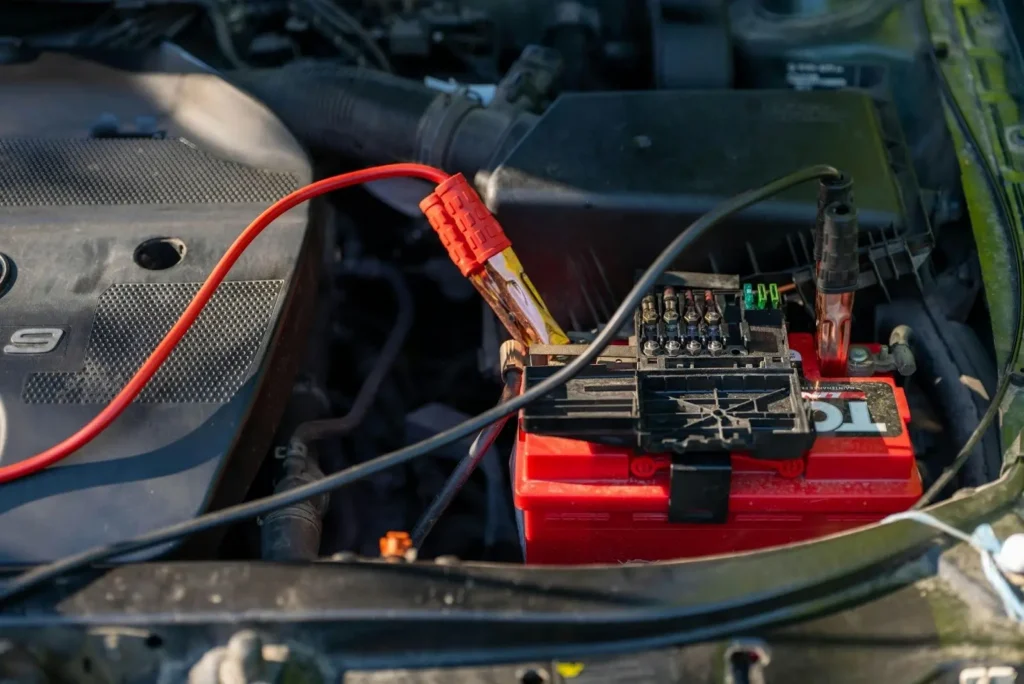
If your car struggles to start or leaves you stranded, it’s often the battery that’s to blame. This is because your battery plays an essential role in starting the engine and powering all the crucial electronic systems your car needs to keep you safe and continue to run smoothly. But, you may be wondering, just how long do car batteries last in the first place?
Unfortunately, battery lifespan is not the same for every vehicle. It all depends on how you drive, where you live, and the type of battery your vehicle uses. From traditional gas-powered cars to modern electric vehicles, there is quite a bit of variation, and knowing what affects battery performance can make all the difference when it comes to staying ahead of any potential issues.
Luckily, our team at Welsh Automotive is always here to help. So, if you’re wondering about your car battery and how long you should expect it to last, here is everything you need to know.
How Long Do Car Batteries Typically Last?
We understand that you want a clear answer to the question of how long do car batteries last. But the truth is that, though there is a general range, there are also a lot of variables to consider.
Average Lifespan of Standard Car Batteries
If you’re wondering how long batteries last in a car, the answer for most batteries is anywhere between three and five years. This range applies to most standard lead-acid batteries found in the majority of vehicles on the road today. However, there are higher-quality versions out there that tend to last a bit longer.
In general, factory-installed batteries usually start to wear out sooner than the more premium replacements. Still, regardless of the quality of the battery, over time internal components will degrade, reducing its ability to hold a charge and weakening overall performance as the battery ages.
What Impacts Battery Longevity?
There are a wide variety of different variables that influence how long batteries last in a car in real-world conditions. For example, the climate can have a huge effect on longevity, with extreme heat accelerating chemical breakdown inside the battery and cold weather affecting performance by reducing available power during startup.
Your driving habits play a big role in determining longevity as well. In most cases, taking frequent short trips can prevent your battery from fully recharging, which can shorten its lifespan. Modern vehicles also rely on more electronics than ever before, placing additional strain on the battery over time.
How Long Do Electric Car Batteries Last?
Electric vehicle batteries are a completely different beast from the standard car batteries that gas-powered cars use. Unlike traditional cars, electric vehicles use their batteries for a lot more than simply starting the engine, which makes understanding how long these batteries last even more important.
Expected Lifespan of EV Batteries
Most electric vehicle manufacturers design batteries to last anywhere between eight and fifteen years. These batteries use far more advanced technology than standard car batteries, and manufacturers often provide long-term warranties that cover battery performance for a much larger number of years or miles.
Although EV batteries do degrade over time, they rarely fail out of nowhere. Instead, you’ll notice a gradual reduction in driving range over time. This predictable decline makes it a lot easier for you to plan for maintenance or replacement well in advance.
What Affects EV Battery Health?
Just like with standard car batteries, how long you can expect electric car batteries to last largely depends on how you use and maintain the vehicle. Charging habits play a huge role in this, with frequent fast charging increasing wear a lot faster than when you commit to using slower, steadier charging methods.
The temperature and climate you’re driving in can also affect EV battery performance over time, with consistent exposure to high heat reducing long-term capacity. Though many vehicles include built-in systems to regulate battery temperature for this reason, driving and storage conditions still have a big influence on overall lifespan.
What Are the Signs Your Car Battery Is Dying?
Knowing more about how long car batteries tend to last is helpful, but it’s just an average and doesn’t give you the full picture. Sometimes they can last much longer, and other times they may start dying far sooner than you expect, so being able to recognize the warning signs of failure is just as important.
Slow Engine Crank
One of the earliest and most noticeable signs of a weak car battery is a slow engine crank. If everything is working properly, your engine should start immediately after turning the key or pressing down on the start button. If this doesn’t happen and your engine seems to be having trouble starting up, it usually means that the battery is losing its ability to deliver enough power to complete the ignition process.
Electrical Issues and Warning Lights
Dim headlights, flickering dashboard lights, or malfunctioning electronics can also signal that there are problems with your car battery. The good news is that many modern vehicles include a dashboard warning light that alerts you when charging system issues start to appear, making catching the problems early a lot easier.
Corrosion or Swelling
Sometimes you don’t even need to turn the car on to identify a battery problem. Simple visual inspections can reveal signs of battery trouble, as corrosion around the terminals and battery swelling are both obvious visual signs that there is something wrong with your car battery.
Frequent Jump Starts
If you need to jump-start your car every time you try to turn it on, it’s a pretty clear indication that the battery is no longer able to hold a sufficient charge. There’s really no way around the fact that this is a battery issue, and if you find yourself in this situation, the only repair that will get your car to start like normal again is replacing the battery.
What Shortens a Car Battery’s Lifespan?
Though it makes complete sense for most drivers to want to know how long they can expect batteries to last in their car, the better question you should be asking is what is most likely to cause your battery to fail sooner than it should.
Extreme Temperatures
Heat can drastically accelerate internal chemical reactions, which leads to much faster wear, and cold weather isn’t much better, often reducing the battery’s ability to deliver enough power to start the car.
Short Driving Cycles
Taking lots of short trips can also have a negative effect on your battery, as this simply doesn’t give the alternator enough time to fully recharge the battery before you’re done driving. Over time, this cycle of repeatedly partially charging the battery reduces overall capacity and shortens lifespan.
Leaving Electronics On
Lights, infotainment systems, and other electronics all drain your car’s battery when your engine is off. Even spending a few minutes listening to music with the engine off here and there can add up over time and contribute to premature failure.
Lack of Maintenance
Whether it’s a loose connection or a dirty terminal, both of these issues can limit the flow of electricity and affect performance. This is just one of the many reasons why scheduling routine inspections and maintenance service is crucial, helping you identify and address simple issues like these before they lead to bigger problems down the line.
When Should You Replace Your Car Battery?
When it comes to car batteries, planning replacements ahead of time is easily one of the best ways to prevent any surprise battery problems from ruining your day. Knowing how long car batteries tend to last isn’t enough, as this is just an average. You need to know exactly when you should replace your car battery before it has the chance to fail.
Age-Based Replacement
You should replace most standard car batteries within the three to five-year range. Even in cases where your battery appears to be working properly, the longer you wait to replace your battery, the more likely you are to experience a performance drop off a cliff instead of gradually declining over time.
Performance-Based Replacement
If you notice telltale warning signs such as slow starts or electrical issues before the 3-5 year mark, it’s probably time for a replacement anyway. Waiting too long after the signs appear will continue to increase the risk of unexpected failure, regardless of whether your battery has reached its expected lifespan or not.

Contact Welsh Automotive Today
Are you dealing with car battery issues? Give us a call.
Our team of ASE-certified technicians is always here to answer questions and will happily help you schedule any of the diagnostic, battery testing, replacement, or repair services you need at a time that’s convenient for you. We even offer free loaner vehicles and in-house warranties so that you can still get around and trust that the repairs we make will stand the test of time.
We know just how annoying and disruptive sudden battery issues can be to your daily life, but with two convenient locations for car battery service in Exton and West Chester, you can count on our team to have your back no matter what. So, don’t let your battery issues get you down. Contact Welsh Automotive and schedule your next appointment today.